
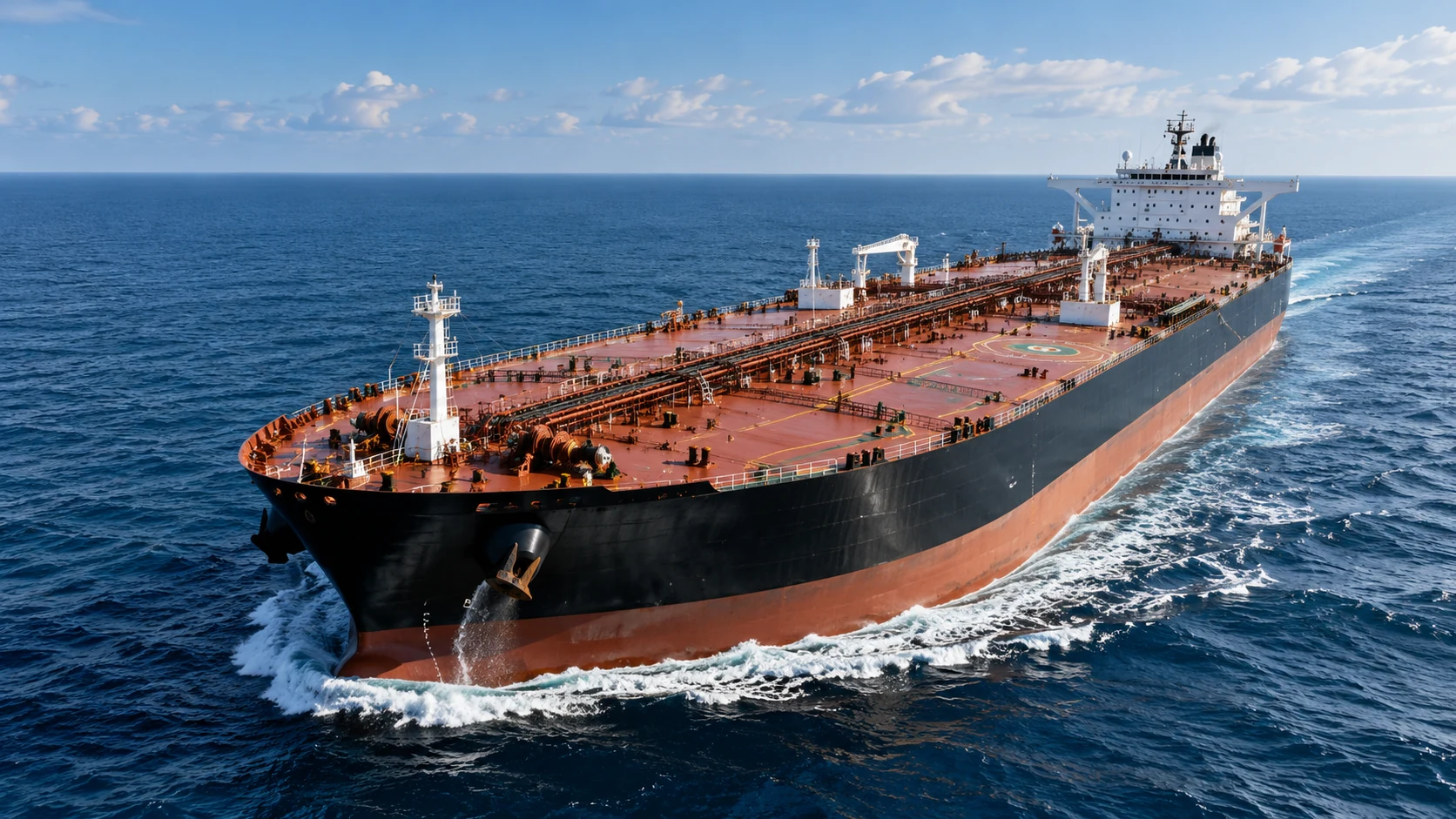
Residual and distillate fuels
No. 6 fuel oil, also called residual fuel oil or bunker C, is a heavy, viscous oil. It has to be heated before it can be pumped and burned, and it is used by power plants and large ships.
Marine gas oil is a distillate fuel. It is lighter, needs no heating and is one of the fuels ships use to meet the strictest sulfur limits. ISO 8217 sets the grades for marine fuels; DMA and DMB are the distillate grades most used in shipping.
| Where the ship sails | Sulfur limit in the fuel |
|---|---|
| Open sea, worldwide, since January 1, 2020 | 0.50% by mass |
| Emission Control Areas, since January 1, 2015 | 0.10% by mass |
These limits are set by the International Maritime Organization under MARPOL Annex VI.
The word "virgin" in trade offers for D6 is not a standard grade. What is delivered is decided by the specification in the contract and the independent inspection report.
How a fuel oil or marine gas oil trade is handled
- The buyer names the grade, the viscosity and sulfur limits, and the quantity.
- An independent inspector samples and tests the product at loading.
- Certificates of quality and quantity go with the shipping documents.
- Delivery terms are fixed in the contract.
Questions we are asked
Which ISO 8217 grade is marine gas oil?
Marine gas oil is commonly traded as ISO 8217 grade DMA. Tell us the grade you need.
Can fuel oil D6 be burned at sea?
Only within the sulfur limit that applies where the ship sails, or on a ship with an approved exhaust gas cleaning system. The ship operator is responsible for compliance.
How do I make an inquiry?
Send the grade, quantity, delivery point and timing through our contact page.